

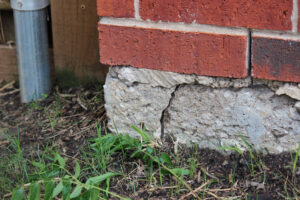
 Climate change is now more than an environmental issue for rental property investors; it is a cost issue that affects ownership strategy. As seasonal cycles become less dependable, seasonal stress on buildings is intensifying and contributing to higher long-term maintenance expenses. The climate’s impact on rentals today is accelerating wear on roofs, HVAC systems, foundations, and exteriors, making climate-related maintenance a critical part of protecting your property and planning for the future.
Climate Impact on Rentals & Why Investors Can’t Ignore the Shift
Owners used to treat rental property maintenance as a recurring rhythm because predictable patterns made seasonal maintenance easier to anticipate. That assumption is weakening because the climate is changing in ways owners can feel in their maintenance budgets. Extreme weather and related climate shifts are changing how often rental properties need repairs, how long major systems can last, and how much investors must budget for regular upkeep.
The climate impact is difficult to budget for because it tends to build quietly instead of announcing itself all at once. Rather than one major incident, the problem shows up through cumulative stress over time as hotter summers, persistent moisture, stronger storms, and uneven freezes steadily drive increased wear and maintenance costs.
For rental property owners, this translates into:
- Shorter replacement cycles for major systems
- More frequent inspections and preventative repairs
- Higher long-term operating expenses when planning does not adjust
Ignoring changing climate trends gives away margin gradually, which is exactly how a portfolio’s profitability starts to soften. Budgeting ahead allows investors to mitigate the impact our changing climate will have on cash flow, timing, and reserve strategy.
Key Climate-Driven Maintenance Challenges
To understand how climate and the environment impact rental properties, it helps to start with the parts of the building that face the elements every day. property exteriors generally display signs of increasing wear before anything else, but that does not lessen the maintenance challenges inside the asset. Whether the portfolio includes one home in Spring Hill or multiple rentals nearby, the same maintenance planning issue applies.
- Heavier Rainfall and Flood Risk: With Increased rainfall, even properties outside recognized flood zones can face runoff pressure, moisture intrusion, and structural concerns that translate into higher maintenance costs.
- Rising Temperatures and Heat Stress: Hot weather does more than raise utility use: it can push HVAC systems to work longer and harder, and prolonged heat and UV exposure often brings forward replacements and repairs.
- Colder Extremes and Freeze-Thaw Cycles: In regions with sharp winter swings, repeated freeze-thaw cycles damage concrete and masonry, and frozen or burst pipes can make the resulting work especially costly and disruptive.
- Increased Storm Intensity and Wind Damage: Because Stronger storms are more intense, exterior damage becomes more common, and even if insurance covers major events, the uncovered portion can still disrupt budgets.
Across a portfolio, these climate-related events increase the stress of climate change, compound wear and tear, and accelerate the aging process of building materials. The result is earlier degradation across roofs, finishes, and mechanical systems than many ownership models were built around.
On a portfolio basis, this accelerated wear compounds costs. Tasks once treated as required maintenance every decade or more may now need attention much sooner, altering long-term budgeting and investment return expectations.
Real Estate Climate Upkeep Strategies That Protect ROI
In a climate-stressed environment, the price of postponing repair and maintenance rises quickly. Emergency repairs, nonstandard labor timing, tenant disruption, and follow-on work frequently turn a small issue into a large expense.
Preventive maintenance creates predictability, and that predictability gives owners more control over timing and reserves. Small repairs handled early can extend and stabilize operating expenses across the year. Real Property Management Titan supports owners in Spring Hill who want maintenance decisions tied to planning instead of emergencies.
In operational terms, climate maintenance in real estate works best when resilience and prevention lead the plan. For that reason, many investors now prioritize:
- More frequent inspections of high-risk areas
- Climate-appropriate materials and upgrades
- Improved drainage, ventilation, and insulation
- Timely repairs to prevent weather-related escalation
Over time, that discipline can help control costs and reduce surprise expenses.
Climate Trends Are a Maintenance Reality, Not a Future Problem
The climate-related impact on rental properties is already visible inside long-term maintenance costs and reserve planning. Those who plan ahead are more likely to protect and preserve the value and cash flows of their assets. Put simply, climate-aware maintenance deserves a place in today’s budget conversations. For investors serving Spring Hill, it is a practical reminder that maintenance timing now deserves closer scrutiny.
At Real Property Management Titan, maintenance planning takes today’s operating pressures into account instead of relying on outdated assumptions. Our local experts in Spring Hill and surrounding areas are ready to help. Contact us online today or call 615-538-7711 to find out how proactive, climate-aware maintenance planning can help rental property investors stay ahead of repair costs.
This content is provided for general informational and educational purposes only and does not constitute financial, legal, tax, or investment advice. Readers should consult with licensed professionals regarding their specific circumstances.
We are pledged to the letter and spirit of U.S. policy for the achievement of equal housing opportunity throughout the Nation. See Equal Housing Opportunity Statement for more information.
